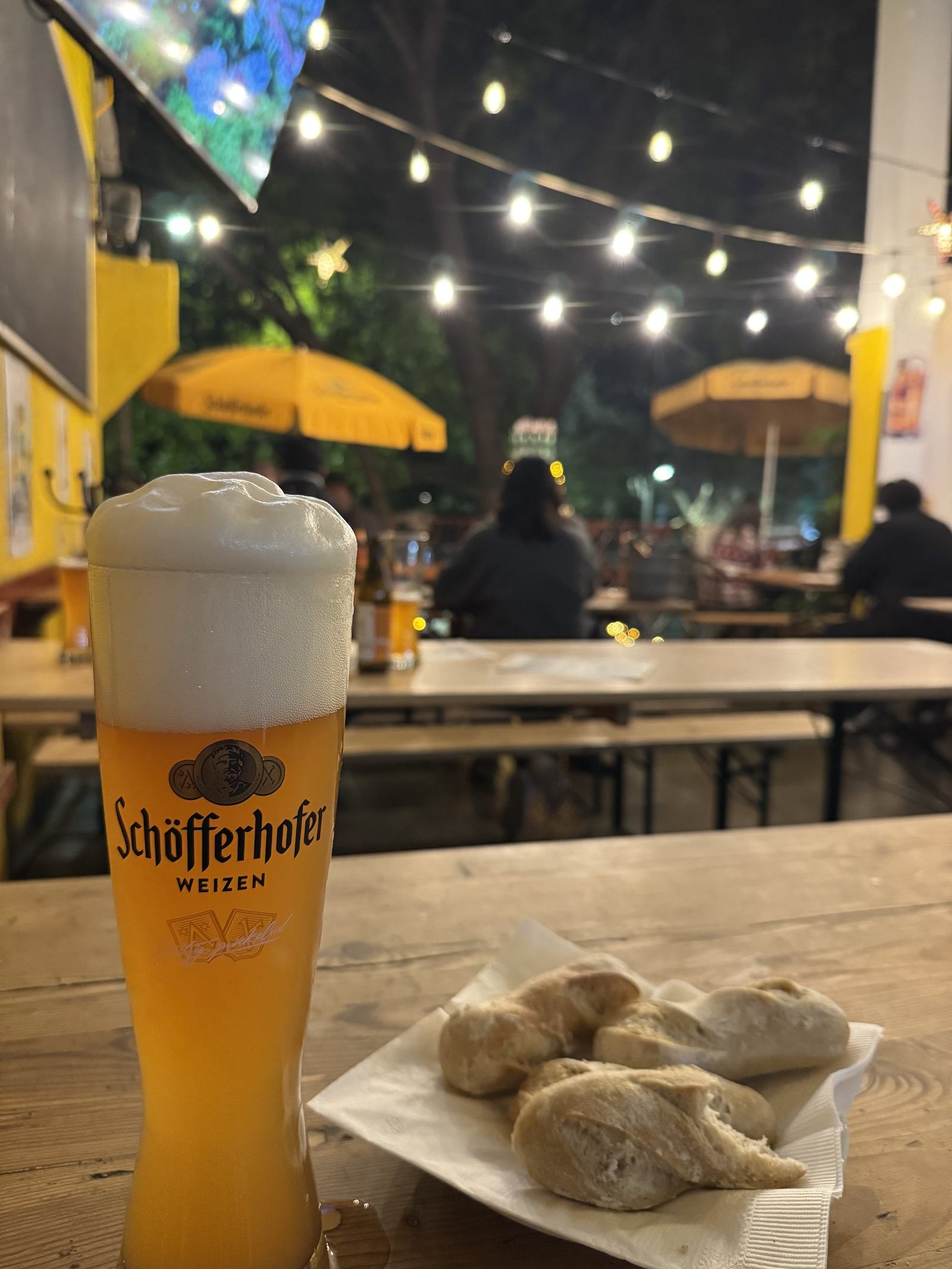
For a few weeks, a city changes shape around a tournament. Restaurant patios rearrange their tables to face a screen. Grocery store clerks start conversations about a match nobody had scheduled to have. A stranger on the metro is wearing a shirt that used to mean nothing to you, and now you recognise it immediately. None of this is permanent, and that is exactly the point of a tournament: it borrows the ordinary rhythm of a place and replaces it, briefly, with something louder.
People who do not normally follow football find themselves following it anyway. They learn a name, adopt a team by proximity or affection, argue about a decision they would have shrugged off a month earlier. For a few weeks, football becomes a shared language even among people who do not usually speak it. Bars fill with a wider crowd than the regulars. Flags appear on balconies that have never held one before. The tournament does not ask for loyalty. It only asks for attention, and for a while, it gets it from almost everyone.
Then it ends. There is a final whistle, a trophy, a night the city will talk about for a while, and then, almost without transition, an ordinary Tuesday. The flags come down, or fade in the sun until someone finally takes them in. The extra tables go back to where they were. The shirt returns to the wardrobe, worn once more for a friendly kickabout, then folded away.
This is not a loss. It is simply the tournament doing what tournaments are built to do: burn bright, gather everyone in, and then recede, leaving the calendar to return to whatever it was doing before.
What is left behind is smaller and quieter, and easy to miss if you were only watching for the loud part. It is the group chat that still exists, built during the tournament and never deleted, occasionally sending a message about nothing in particular. It is a bar that briefly held a much bigger crowd than usual, and now, on an ordinary weekend, still has its regulars in the same seats, in front of the same league that was there before the tournament and will be there after.
For people who actually live football as part of their week rather than as a seasonal event, none of this ever really stopped. The leagues that were paused politely resume. The rivalries that matter every year, not just every four, pick back up on schedule. The stadiums that hold tens of thousands of people on an ordinary weekend, not the hundreds of millions of screens tuned to a final, open their gates again. It is a smaller crowd and a smaller stage, but the ritual around it — the beer before kick-off, the seat that is always the same, the bar that is always the same — never needed a tournament's permission to exist.
That is the actual subject here. Not the tournament, which is temporary by design, but the rhythm around football that keeps going long after the flags come down: the walk to the ground, the first round ordered before the teams even walk out, the argument at half-time that started before the match and will outlast it, the city that quietly organises an evening around a game that will not make international headlines. This rhythm does not need a trophy at the end of it. It repeats because the people inside it have decided it is worth repeating.
There is a difference between watching football and living around it, and a tournament tends to blur that difference for a few weeks, inviting people who normally only watch to briefly live it too. That is not a criticism — it is one of the better things tournaments do. But the distinction reappears the moment the noise fades, and it is worth naming honestly: most of what made the tournament feel alive — the tables, the shirts, the shared attention — was borrowed. The ritual that outlasts it was never borrowed to begin with.
This is what Sports & Beer exists to document. Not the score, not the bracket, not who lifted the trophy. The ordinary Tuesday afterward. The bar that still fills for a league match nobody outside the city is watching. The seat that is always the same. The beer ordered before kick-off out of habit rather than plan. The city behind the tournament, which was there before it arrived and stayed exactly where it was after it left.
The tournament was temporary.
The ritual was never meant to be.